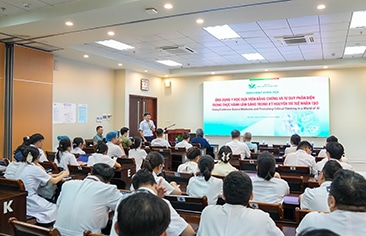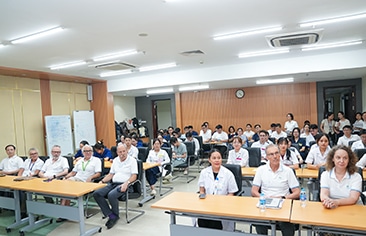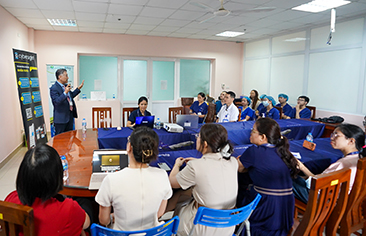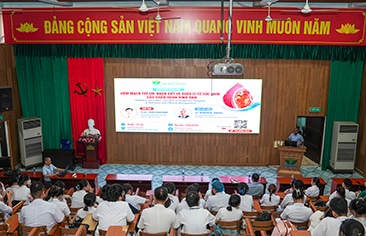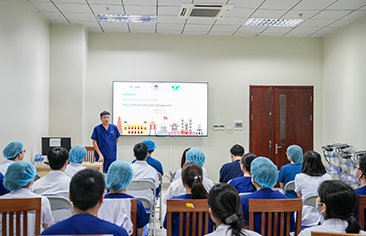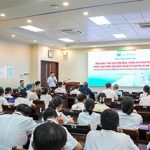
To strengthen professional knowledge, practical skills, and standardized care processes for children with cleft lip and palate, from 22 to 24 June 2026, Vietnam National Children’s Hospital, in collaboration with Smile Train—a leading non-profit organization supporting cleft lip and palate treatment for children worldwide—organized a training program titled “Nursing care and life support for pediatric patients undergoing cleft lip and palate surgery.”
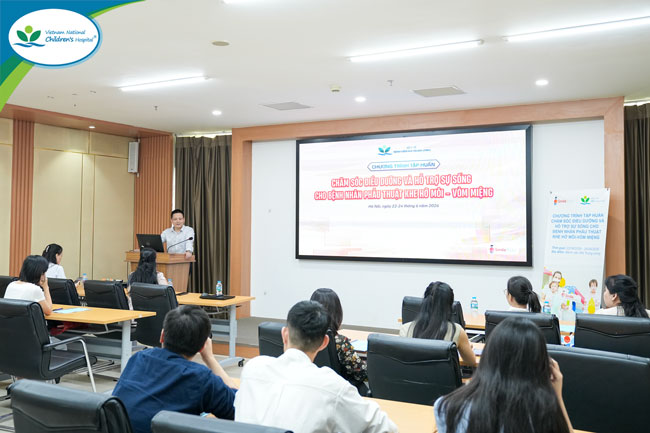
The program was attended by 22 nursing trainees from Vietnam National Children’s Hospital and Smile Train partner hospitals in Northern and Central Viet Nam.
Cleft lip and palate are one of the most common congenital anomalies in children. It affects not only facial appearance but also feeding, breathing, speech, psychological development, and children’s ability to integrate socially. To achieve comprehensive treatment outcomes, nursing care before, during, and after surgery plays a particularly important role in ensuring safety, supporting recovery, and improving patients’ quality of life.
At the program, Dr. Do Van Can, Specialist Level II and Head of the Department of Odonto-Stomatology and Maxillofacial Surgery at Vietnam National Children’s Hospital, emphasized that treatment for cleft lip and palate is a long-term process requiring coordination among multiple specialties. Surgery is only the first step; nursing care before, during, and after surgery is crucial to ensuring safety, minimizing complications, and supporting a better recovery.
According to Dr. Do Van Can, through this training program, the Hospital aims to build a nursing team with in-depth knowledge and strong practical skills to meet the requirements of comprehensive care for pediatric patients.
During the 3-day training course, participants were updated on important topics, including:
- The role of nurses in caring for children with cleft lip and palate
- Pre- and post-operative patient assessment
- Nutritional care and feeding support
- Monitoring post-operative complications
- Basic Life Support (BLS) skills for children
- Clinical scenario practice and development of nursing care plans
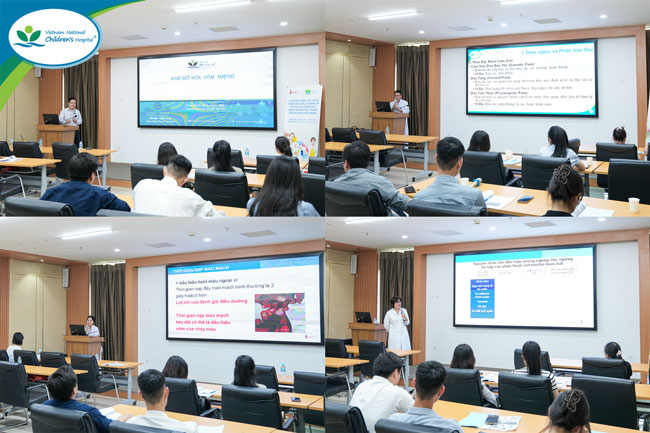
Experts from Vietnam National Children’s Hospital shared practical and useful knowledge throughout the program.
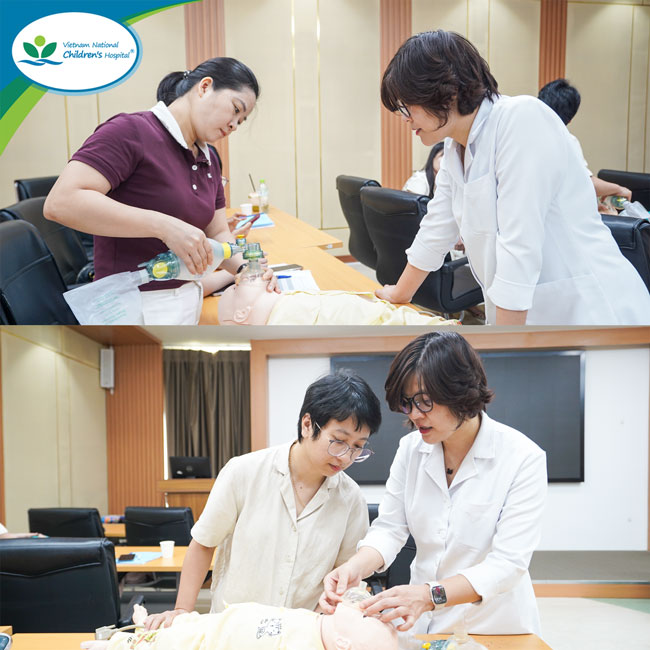
The training combined theory with hands-on practice using simulation models, patient assessment, and development of individualized care plans for each case.
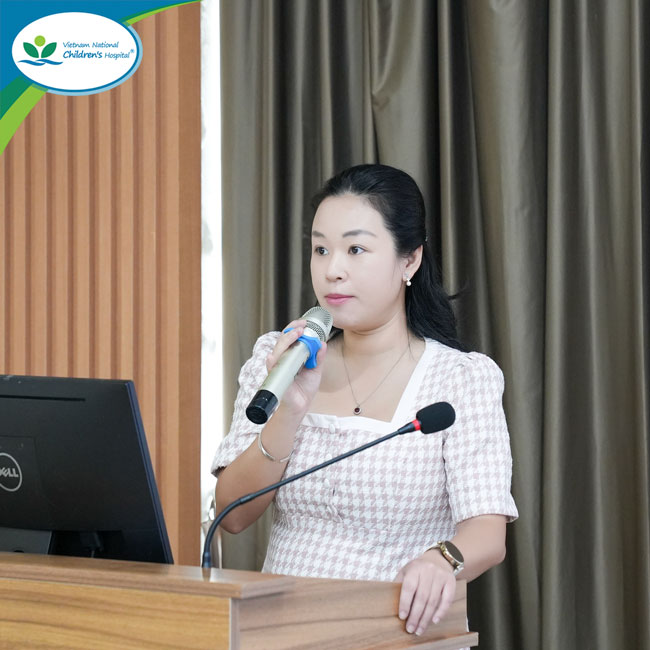
Ms. Tran Huyen Trang, Country Director of Smile Train Viet Nam, said this was the first time Smile Train had jointly implemented a specialized training program for nurses in Viet Nam. The program marks a new development in Smile Train’s nearly 17-year journey of working with hospitals across the country to support children with cleft lip and palate.
“Previously, Smile Train’s activities mainly focused on surgical support. However, recognizing that cleft lip and palate treatment requires a multidisciplinary care model—in which nurses play an important role in monitoring, caring for, and supporting children’s recovery—Smile Train has expanded training programs to strengthen nursing care capacity, aiming toward more comprehensive treatment outcomes,” Ms. Tran Huyen Trang shared.
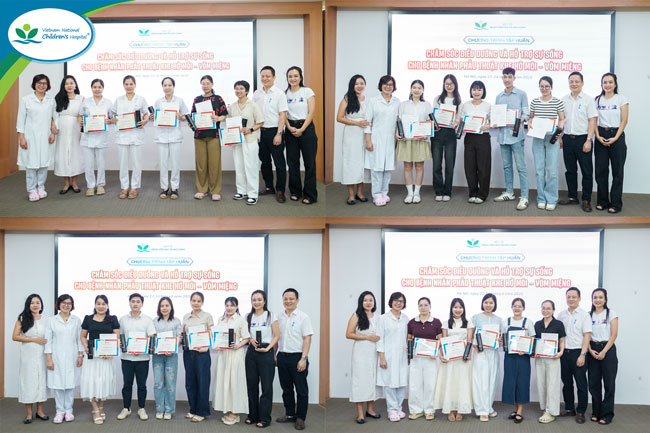
Participants received certificates upon completion of the training course.
The training program was organized within the framework of “Action Month for children with cleft lip and palate” (from 1 to 30 June 2026), contributing to the strengthening of professional capacity among nurses, the standardization of care practices, and the move toward comprehensive treatment for children with congenital anomalies.
This was also a meaningful activity in the ongoing partnership between Vietnam National Children’s Hospital and Smile Train, helping children with cleft lip and palate gain more opportunities for recovery and confidently integrate into the community.