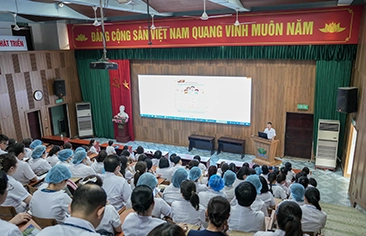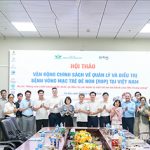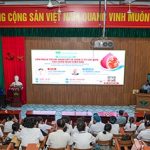
Short stature, growth delay, and diabetes not only affect physical health but can also have long-term impacts on a child’s psychological well-being, quality of life, and future. As pediatric endocrine disorders become increasingly common and more complex, keeping up to date with advances in diagnosis, treatment, and comprehensive management has become an essential requirement for healthcare professionals.
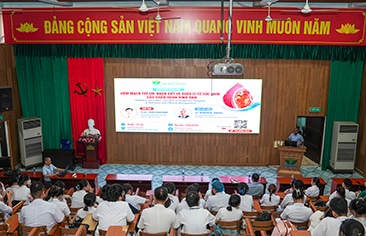
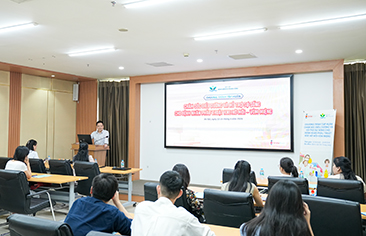
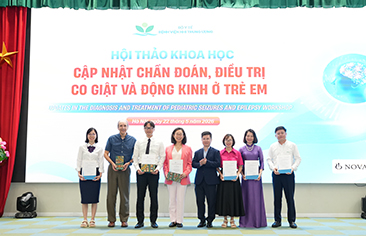
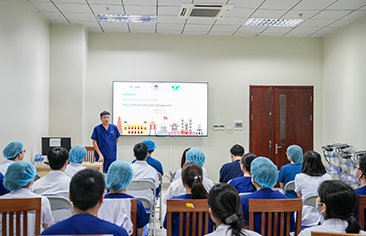
In response to this need, on 23/05/2026, Vietnam National Children’s Hospital organized a series of scientific workshops in pediatric endocrinology featuring two themes: “Growth Updates in Children” and “Diabetes Updates”. The program attracted a large number of experts and physicians from across Viet Nam.
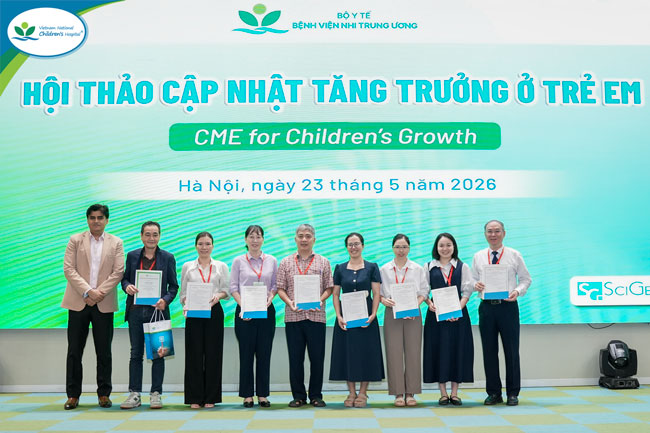
The program’s speakers included Assoc. Prof. Tony Huynh—Head of the Department of Endocrinology and Diabetes, Queensland Children’s Hospital (Australia)—together with specialists from the Center for Endocrinology – Metabolism – Genetics and Molecular Therapy, Vietnam National Children’s Hospital.
Workshop 1: Growth updates in children — a multidimensional, individualized approach to diagnosing and treating growth delay
Growth is a key indicator reflecting nutrition, health status, and a child’s overall development. Experts noted that behind an apparently simple concern such as being “shorter than peers” may lie a wide range of causes—from constitutional and nutritional factors to endocrine, genetic, or chronic diseases.
Early identification of growth delay, accurate etiological assessment, and selecting the appropriate clinical approach are crucial for improving adult height outcomes and for detecting underlying disorders in a timely manner.
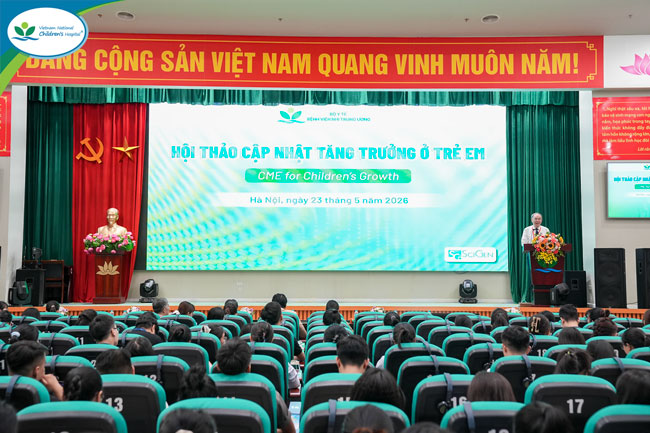
In his opening remarks, Assoc. Prof. Vu Chi Dung, MD, PhD, Director of the Center for Endocrinology – Metabolism – Genetics and Molecular Therapy, shared that pediatric endocrinology has seen major advances in recent years.
Currently, many rare causes of growth disorders can be detected earlier thanks to advanced laboratory testing and in-depth genetic analysis. In addition, recombinant human growth hormone (rhGH) therapy is increasingly applied not only for growth hormone deficiency but also for conditions such as Turner syndrome, Prader–Willi syndrome, and Noonan syndrome.
At the workshop, experts discussed multiple advanced topics, including:
- Genetics in short stature
- Growth hormone deficiency and the role of growth hormone
- Growth hormone therapy in Turner syndrome
- Approaches to complex cases related to intrauterine growth restriction and Prader–Willi syndrome

Experts emphasized that test selection should be individualized to each case to optimize diagnostic and treatment effectiveness.
Discussions were dynamic, with extensive exchange on indications for advanced testing, optimal timing for intervention, and long-term follow-up strategies. Analyses of real clinical cases further clarified current multidimensional and individualized approaches to pediatric growth disorders.

Workshop 2: Diabetes updates — toward modern technology use and comprehensive management
The second workshop, “Diabetes Updates,” was co-organized by Vietnam National Children’s Hospital and the Vietnam Pediatric Association. It delivered updated content on diagnosis, treatment, and management of pediatric diabetes—an increasingly prevalent condition with growing clinical complexity.
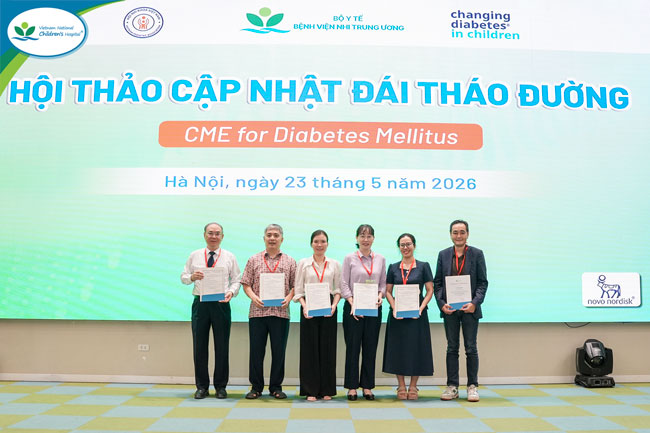
According to Assoc. Prof. Vu Chi Dung, MD, PhD, about 20 years ago the Hospital saw fewer than 20 new cases of type 1 diabetes per year and only 1–2 cases of type 2 diabetes. In 2025 alone, the Hospital recorded approximately 120 cases of type 1 diabetes and around 30 cases of type 2 diabetes. Many cases presented atypically and were therefore at risk of being missed or misdiagnosed.
He shared that:
- For type 2 diabetes, many children require escalation of therapy after about 12 months of treatment.
- For type 1 diabetes, the Hospital currently records 2–3 new cases per week, and about half of cases may be misdiagnosed at the initial stage.
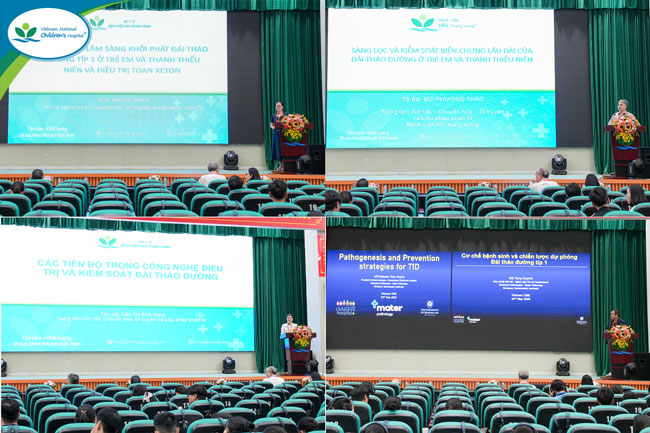
Based on clinical practice, workshop presentations focused on key practical topics such as:
- Pathophysiology and updated preventive treatment for type 1 diabetes
- Clinical diversity and diagnostic approach to diabetic ketoacidosis (DKA)
- Advances in diabetes treatment and control technologies
- Screening and management of long-term diabetes complications
Experts emphasized that diabetes management in children requires a comprehensive approach that integrates nutrition, physical activity, psychological support, health education, and long-term follow-up to improve adherence and help children maintain a normal life.
Many real-life clinical scenarios were discussed, and technology advances—such as continuous glucose monitoring (CGM) systems and automated insulin pumps—were updated to help optimize treatment effectiveness, reduce complications, and ease the caregiving burden for families.
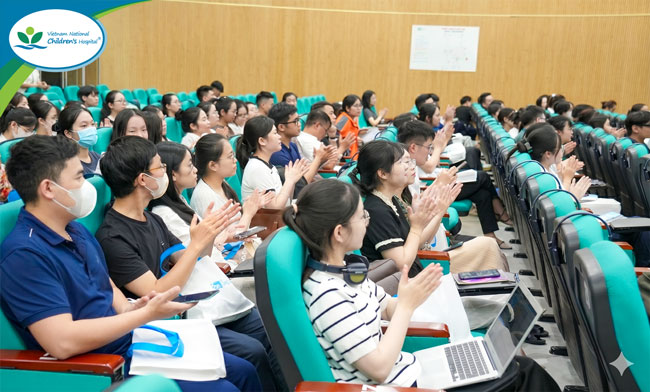
Through this workshop series, Vietnam National Children’s Hospital reaffirmed its role as a leading specialized center in pediatric endocrinology, while continuing to promote continuing medical education, knowledge updating, and academic networking with national and international experts to improve the quality of care and treatment for children.
Digital Information Office – Training and Research Institute for Child Health