Recently, hand, foot and mouth disease (HFMD) in children has shown an increasing trend in many localities. The circulation of enteroviruses, including Enterovirus 71 (EV71)—a pathogen associated with a higher risk of severe complications—highlights an urgent need to enhance capacity for early detection, clinical staging, and timely management at healthcare facilities.
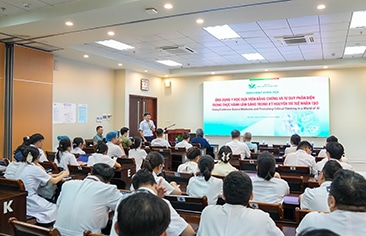
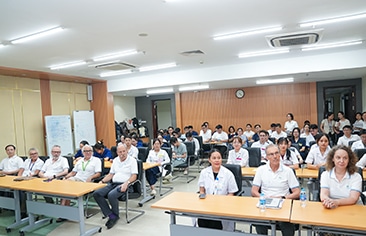
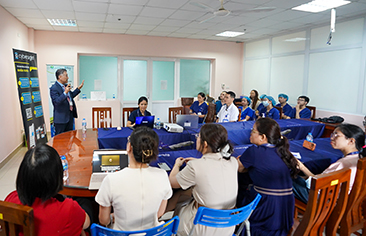
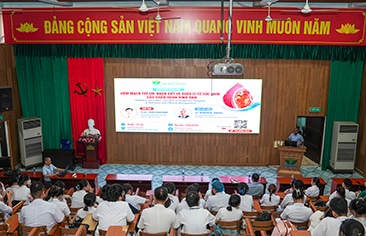
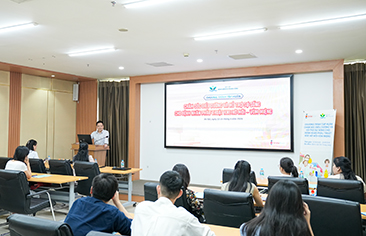
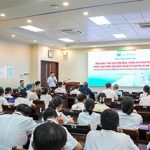
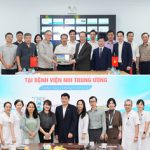
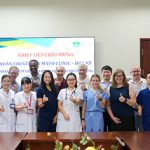
Vietnam National Children’s Hospital organized a two-day professional training program (8–9 April 2026) to update knowledge and standardize diagnostic and treatment processes for HFMD for physicians and nurses in several clinical departments within the Hospital.
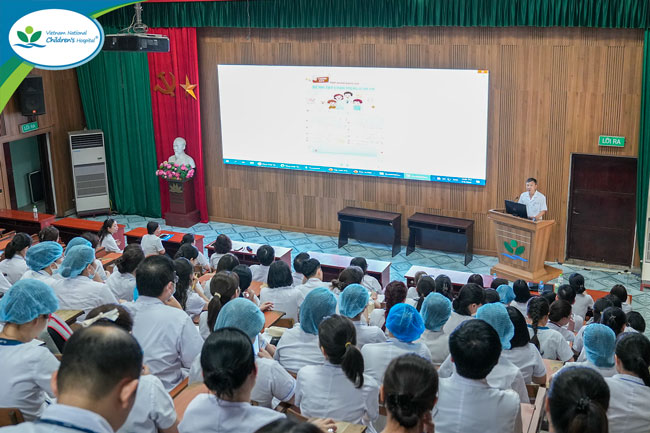
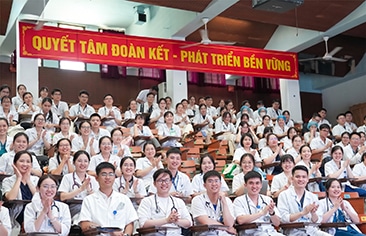
The program attracted nearly 200 healthcare professionals and was taught by experts from The Center for Tropical Diseases – Vietnam National Children’s Hospital.
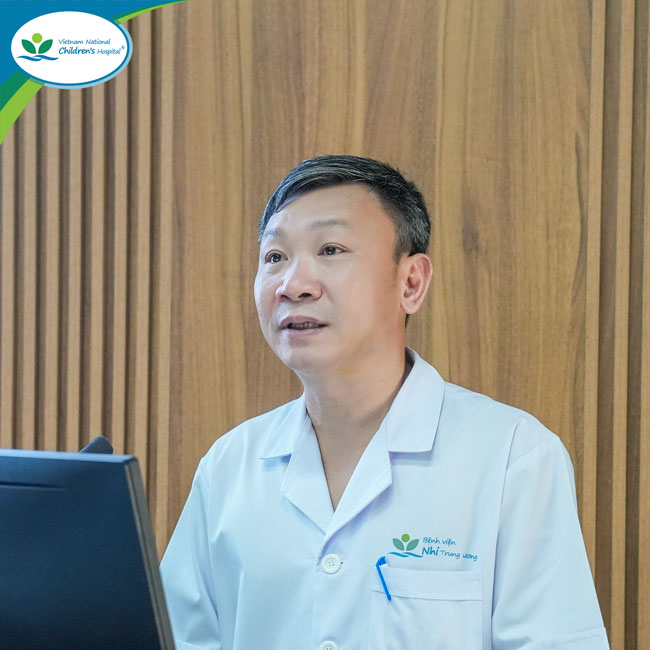
Dr. Nguyen Van Lam, MD—Director of The Center for Tropical Diseases, Vietnam National Children’s Hospital—emphasized the importance of updating HFMD diagnosis and treatment.
The training content focused on early recognition of clinical signs by disease stage, particularly warning signs of deterioration such as startle (myoclonus), limb tremor, persistent vomiting, and altered consciousness. Experts underscored the importance of accurate clinical grading, thereby enabling appropriate management and minimizing the risk of serious complications.
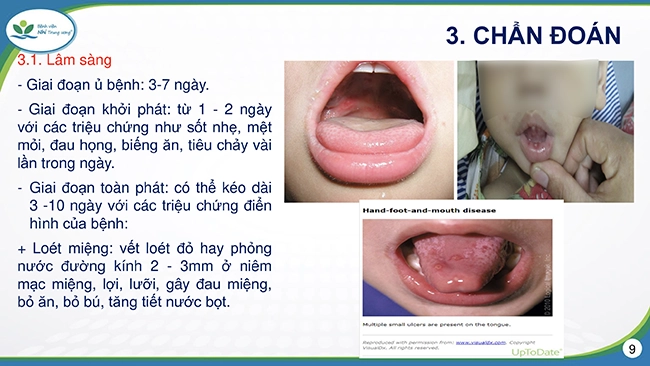
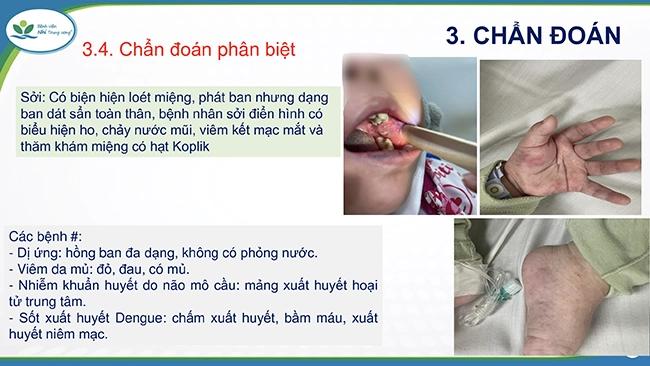
The program also addressed differential diagnosis of HFMD versus other common conditions such as measles, allergic reactions, dermatitis, and dengue fever.
In addition to updating treatment protocols in accordance with the latest guidance, the program emphasized monitoring and comprehensive care for children with HFMD. The role of nursing staff in close observation, early identification of abnormalities, and effective coordination with physicians was identified as a key factor in improving treatment quality.
In parallel, infection prevention and control and the prevention of cross-transmission within the hospital must be maximized through strict adherence to hand hygiene, environmental surface disinfection, and patient flow separation/triage.
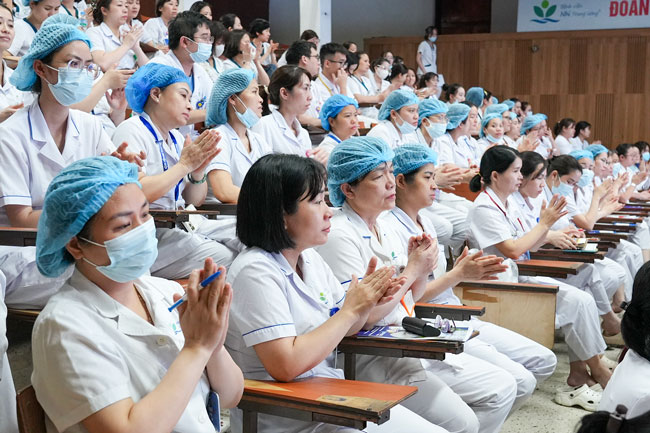
Physicians and nurses participating in the training highly appreciated the program’s practical value.
The two training sessions also devoted substantial time to discussion, enabling clinicians to exchange views directly, clarify common clinical scenarios, and share experience in patient management.
This training activity is one of the solutions that help the Hospital strengthen capacity and proactively respond to the rising trend in HFMD cases, thereby ensuring diagnostic and treatment quality and patient safety.
Digital Information Office – Training and Research Institute for Child Health