After facing Burkitt lymphoma twice, a 7-year-old boy from Hai Phong has been given a new chance at life thanks to a successful allogeneic hematopoietic stem cell transplantation (allo-HSCT) at Vietnam National Children’s Hospital. The child’s treatment journey reflects not only the family’s perseverance but also the Hospital’s advanced expertise, multidisciplinary teamwork, and the dedication of its medical staff in managing complex pediatric cancers.
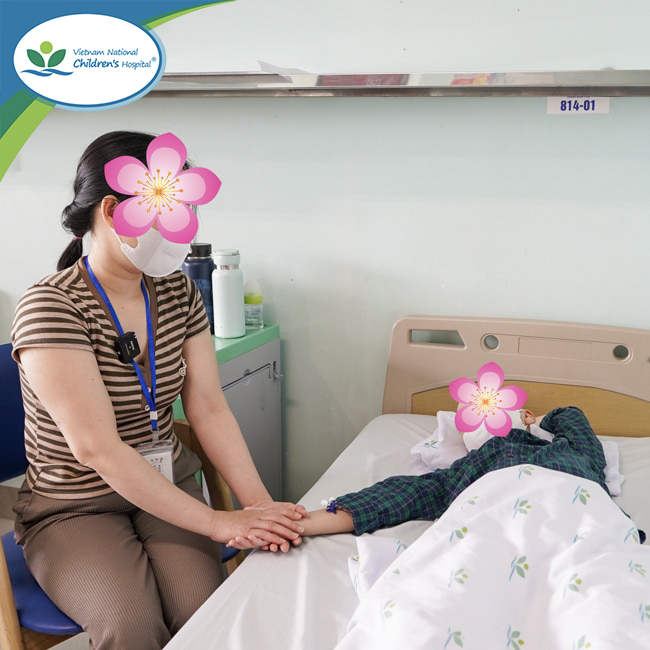
The patient is recovering well after allo-HSCT at the Oncology Center.
From the shock of a cancer diagnosis to a long and challenging treatment journey
Recalling September 2021, the child’s mother shared that the child initially presented with leg pain, fatigue, and eyelid swelling. The family thought it was a common illness. However, after evaluation at a local hospital, blood tests showed abnormalities and the child was referred to Vietnam National Children’s Hospital. After specialized investigations, doctors diagnosed Burkitt lymphoma with bone marrow involvement (Stage IV) / L3 acute lymphoblastic leukemia, with central nervous system involvement.
“Learning that my child had cancer, I was devastated. But I told myself I had to stay strong and place absolute trust in the medical team to accompany my child throughout treatment,” the mother shared emotionally.
According to Assoc. Prof. Bui Ngoc Lan, MD, PhD (former Director of the Oncology Center, Vietnam National Children’s Hospital), acute lymphoblastic leukemia is a common childhood cancer, accounting for about 30%. However, L3 acute lymphoblastic leukemia accounts for only 1–5% of cases. It often progresses rapidly and carries a high risk of death if not treated promptly.
Given the aggressive nature of the disease, doctors applied an intensive regimen with high-dose chemotherapy combined with targeted therapy. After nine intensive treatment cycles, the child achieved complete remission and stopped medication in June 2022, with regular follow-up thereafter.
However, in December 2025—after more than three years of follow-up—the child developed fever and poor appetite. CT imaging at Vietnam National Children’s Hospital revealed relapse with a large abdominal mesenteric mass and kidney involvement. Open surgical biopsy confirmed disease relapse without distant metastasis. Intensive chemotherapy was initiated immediately with the goal of achieving complete remission and proceeding to allo-HSCT to provide a chance of cure.
First allo-HSCT for relapsed Burkitt lymphoma at Vietnam National Children’s Hospital
On 23/03/2026, under the chairmanship of Dr. Phan Huu Phuc, MD (Hospital Vice Director), domestic and international experts held a multidisciplinary consultation to develop the optimal treatment plan. The only option to control the disease and restore hematopoiesis was allogeneic stem cell transplantation from the child’s older sister, who was a fully matched donor (HLA 10/10).
A major challenge was ABO blood group incompatibility between donor and recipient, making transfusion support, processing of bone marrow stem cell products, and post-transplant monitoring particularly complex—requiring careful measures to reduce the risks of hemolysis, delayed red cell engraftment, and related complications.
In addition, certain essential medications for the protocol were not available domestically, requiring the treating team to remain in close communication with international experts to identify timely alternatives.
Assoc. Prof. Bui Ngoc Lan emphasized: “The Hospital has performed many stem cell transplants, but this is the first time it has been applied to a child with relapsed non-Hodgkin lymphoma. Without allogeneic hematopoietic stem cell transplantation, the patient would have almost no chance of survival. This is also a case with limited clinical experience in many developing countries and requires multidisciplinary collaboration.”
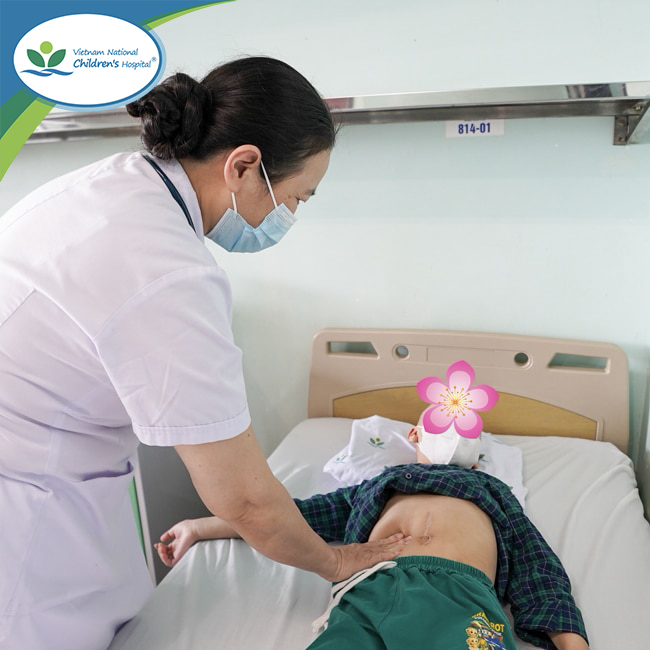
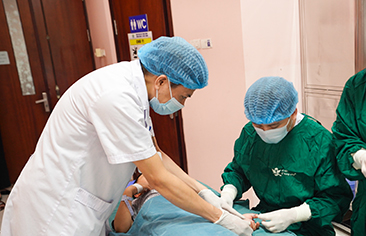
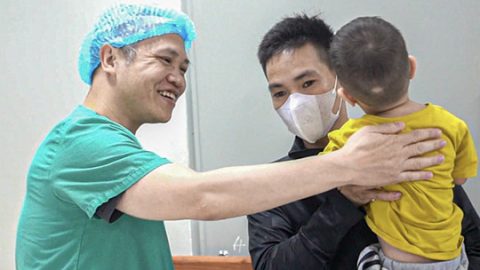
Assoc. Prof. Bui Ngoc Lan examined the child after transplantation.
Strict care process in an aseptic (sterile) environment
Given the complexity of allo-HSCT, patient care and complication-prevention protocols were closely monitored and strictly followed. Physicians and nurses held frequent meetings to adjust interventions based on the child’s clinical course.
According to Ms. Nguyen Thi Ngoc, MSc (Head Nurse), Chemotherapy Unit (Chemotherapy Unit), Oncology Center: during the pre-transplant conditioning phase, the child had to receive highly toxic chemotherapy to create an optimal bone marrow environment for graft engraftment. These agents can be excreted through the skin, the gastrointestinal tract, urine, and other secretions, posing exposure risks for healthcare workers and caregivers and increasing the child’s risk of skin and mucosal injury. Therefore, day and night—every six hours—nurses and family members supported personal hygiene care. All procedures and nursing care were performed gently, meticulously, and skillfully.
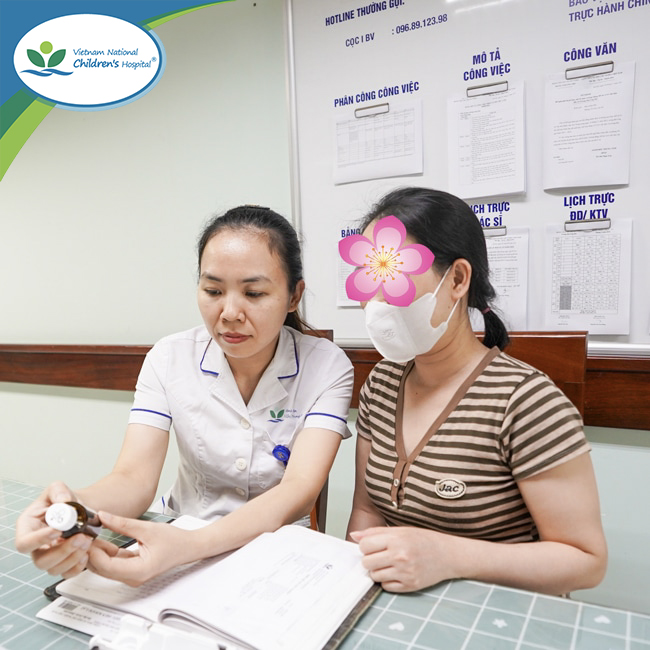
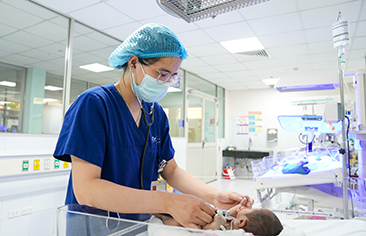
Ms. Nguyen Thi Ngoc provided medication counseling to the child’s family.
After the fourth chemotherapy dose, PET-CT showed that the abdominal tumor mass had decreased in size, but the Deauville score (assessment of cancer metabolic activity) remained at 4. The child underwent a second surgery to assess response; pathology confirmed tumor necrosis with no malignant cells remaining.
Stem cell collection, processing, and transplantation
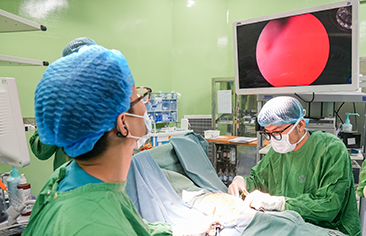
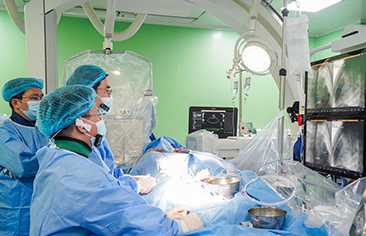
On 01/04/2026, the allo-HSCT was officially performed. In the operating room of the Department of Anesthesiology and Critical Care, stem cells were harvested from the sister’s bone marrow under sterile conditions and general anesthesia.
Dr. Nguyen Ngoc Quynh Le, MD, PhD, Acting Head, Center for Regenerative Medicine and Cell Therapy, Vietnam National Children’s Hospital, stated that the collected hematopoietic stem cells were immediately transferred to the clean cell-processing facility, where technicians carried out a closed processing procedure under strict aseptic control and evaluated the product before infusion. Because of major ABO incompatibility, the bone marrow product required specialized processing to remove red blood cells and reduce the risk of hemolysis while preserving the maximum number of hematopoietic stem cells needed for engraftment.
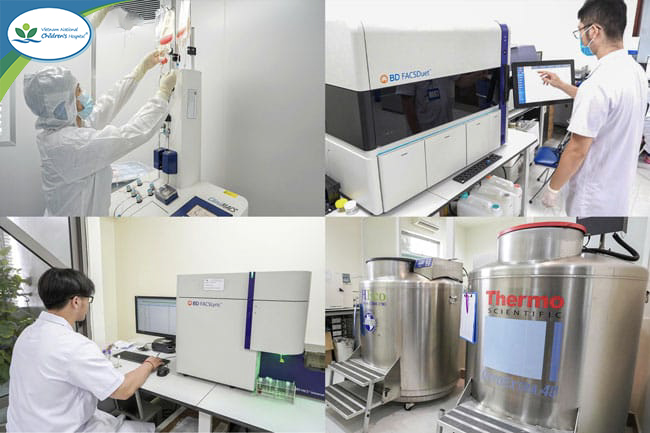
Modern magnetic-based extracorporeal cell separation and advanced stem cell storage/processing systems at the Center for Regenerative Medicine and Cell Therapy.
At the Oncology Center, stem cell infusion was performed urgently and safely in a transplant room that met international standards.
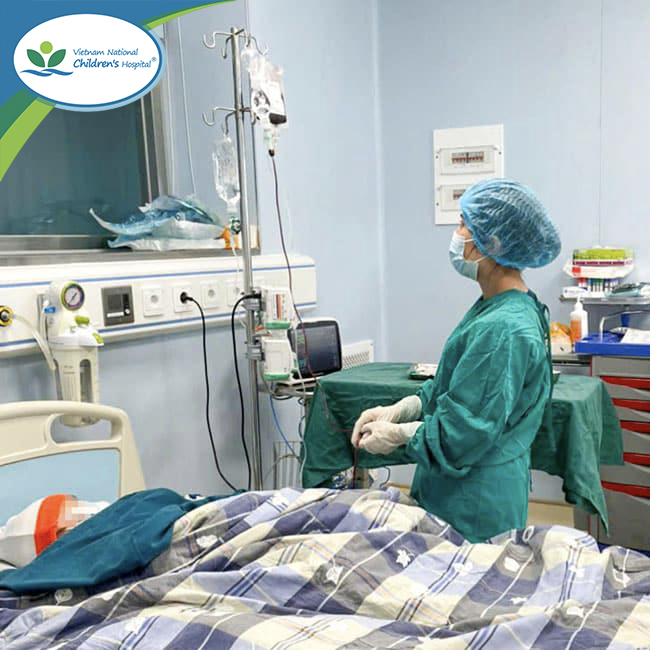
After transplantation, the child was cared for under strict infection control conditions, with close monitoring of hematologic, biochemical, and immune parameters to detect complications early.
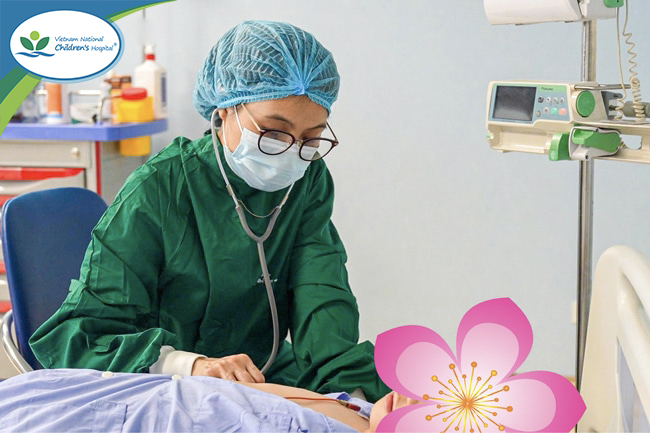
The child was discharged on 29/04/2026. At present, 60 days post-transplant, the child’s hematologic indices, immune status, and overall health are stable, with donor chimerism reaching 100%.
The mother shared on the day of discharge: “Even when we were devastated by relapse, our family chose to trust the doctors’ protocol. The doctors and nurses—especially Dr. Lan and Dr. Hoai Anh—stayed closely with us, not only making the right medical decisions, but also providing emotional support and constant encouragement to keep our family strong through treatment.”
Allogeneic hematopoietic stem cell transplantation: an important advance in modern medicine
The success of the first allo-HSCT for a child with relapsed Burkitt lymphoma at Vietnam National Children’s Hospital not only demonstrates the medical team’s ability to master advanced techniques, but also opens access to modern therapies—bringing renewed hope to many children with lymphoma and hematologic malignancies in Viet Nam.
Doctors advise parents to closely monitor their children’s health. If a child shows warning signs such as masses or enlarged lymph nodes, pallor, bleeding, bone pain, prolonged fever, or infections that do not improve with standard treatment, the child should be brought to specialized medical centers for timely evaluation and treatment.
Ms. Nguyen Thi Ngoc, MSc (Head Nurse) – Oncology Center
Digital Information Office – Training and Research Institute for Child Health