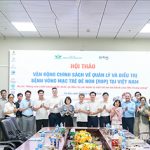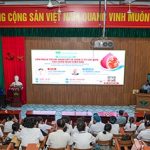
According to statistics from the Ministry of Health, from epidemiological week 1 to week 14 of 2026, Viet Nam recorded 24 cases of meningococcal disease, including 4 deaths. Cases were concentrated primarily in children under 15 years of age, accounting for up to 46% of all cases. The number of cases increased by nearly 50% compared with the same period in 2025.
Meningococcal infection can cause purulent meningitis and fulminant septicemia (Waterhouse–Friderichsen syndrome). Fulminant septicemia can be fatal within 24–36 hours. In addition, meningococcal infection may also cause milder clinical presentations such as septic arthritis, pericarditis, urethritis, pneumonia, and conjunctivitis (pink eye).
Anyone without immunity may develop the disease; it is particularly common in infants under 1 year of age and in adolescents.
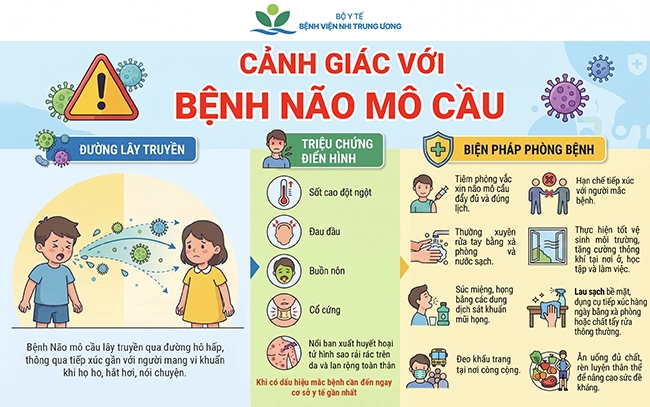
So, how is meningococcal disease transmitted? How can it be prevented effectively? Please follow the detailed information below to proactively protect children and the whole family.
Dr. Nguyen Van Lam, MD, PhD – Director, The Center for Tropical Diseases
Digital Information Office – Training and Research Institute for Child Health