Thanks to the success of a pedicled periosteal flap transfer surgery using microsurgical techniques, after 6 years of wearing braces, being casted, unable to walk independently, and relying on her parents for all daily activities, N.L. (7 years old, from Ninh Bình), who suffered from congenital tibial pseudarthrosis, is now able to walk on her own legs. The fact that the Vietnam National Children’s Hospital independently performed and mastered this technique opens up a promising new treatment direction for pediatric patients with rare and complex bone conditions like N.L.’s case.
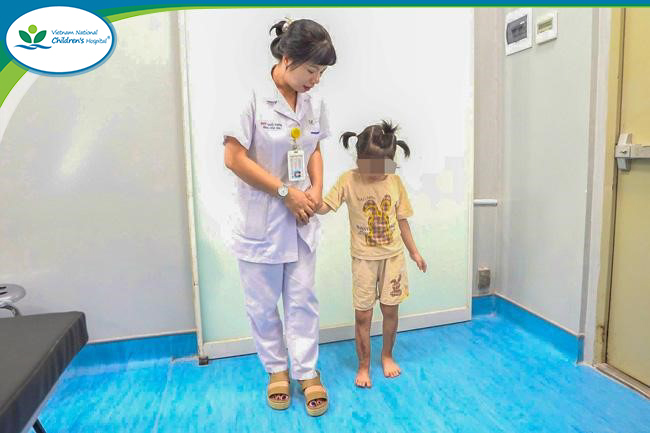
The child practices walking after surgery
A rare disease and a challenging 6-year journey
Little N.L was diagnosed with congenital tibial pseudarthrosis from the time she first began to walk. This is a rare condition, potentially caused by genetic factors, especially in families with a history of neurofibromatosis type 1. In affected children, the tibia develops abnormally, making it prone to fractures that heal poorly and progressively bend, leading to limb shortening, deformity, and reduced mobility.
When she was examined at the Vietnam National Children’s Hospital, N.L showed signs of right leg bowing. Doctors from the Orthopedics Department and the Rehabilitation Department assessed her condition, provided counseling, and began conservative treatment using orthopedic braces to limit bone deformity. She later underwent three surgeries, including resection of the pseudarthrosis, autologous bone grafting, allogenic bone grafting, and bone fixation. Although her condition showed some improvement, the bone still failed to unite.
Dr. Hoàng Hải Đức, Head of the Orthopedics Department at the Vietnam National Children’s Hospital, said: “Congenital tibial pseudarthrosis is one of the most challenging conditions to treat in pediatric orthopedic trauma. As children grow, the bone becomes weaker and more curved. Without effective treatment, the condition may lead to severe limb shortening, deformity, or disability. After thoroughly reviewing her previous treatment history, we decided to take a new approach — using a vascularized periosteal flap graft to promote bone union.”

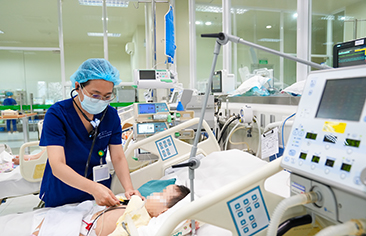
Dr. Hoàng Hải Đức, Head of the Orthopedics Department at the Vietnam National Children’s Hospital, examines the patient
Vascularized periosteal flap grafting – a breakthrough in treatment
This advanced technique uses a periosteal flap from the healthy tibia, complete with its vascular supply, and transfers it to the affected leg. Before grafting, surgeons remove the pseudarthrosis site and all diseased periosteum, then stabilize the tibial pseudarthrosis using plates and screws. Next, a vascularized periosteal flap is grafted onto the diseased bone area, using microsurgical techniques to connect the blood vessels and ensure the survival of the graft.
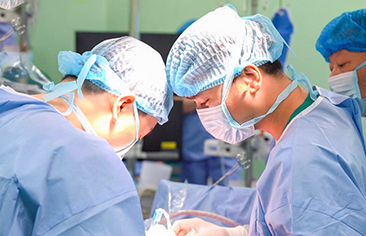
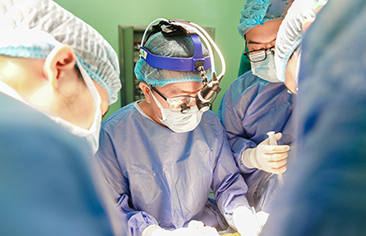
The surgery lasted 4.5 consecutive hours and required high precision and seamless coordination among multiple specialties. During the procedure, surgeons had to carefully calculate the incision sites, dissection directions, and methods to preserve the flap’s blood supply, while ensuring complete removal of the diseased bone tissue.
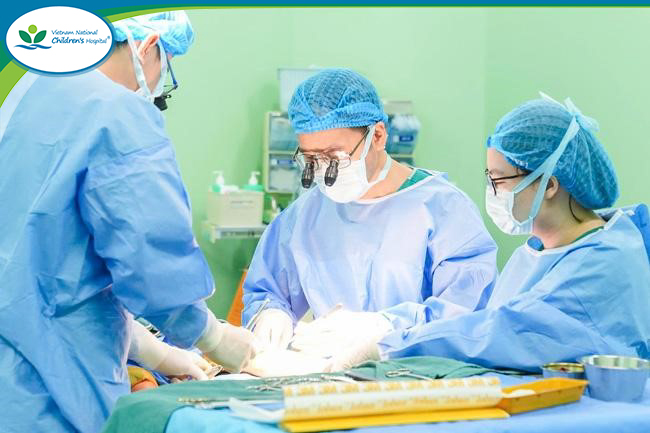
Dr. Hoàng Hải Đức and the surgical team perform the procedure on the patient
Previously, the Orthopedics Department of the Vietnam National Children’s Hospital had accumulated extensive experience in performing various complex microsurgical techniques for other conditions, such as nerve grafting for brachial plexus injuries and microsurgical lymphatic flap transfers for limb lymphedema. This strong technical foundation enabled the surgeons to confidently and effectively carry out this grafting procedure.
For the first time in six years, little N.L can walk on her own legs again
Six weeks after the surgery, X-ray results showed good bone callus formation at the graft site, strong regeneration of new bone, and solid filling of the pseudarthrosis with new bone. Compared to previous surgical methods, the speed and quality of bone union this time achieved markedly superior results.
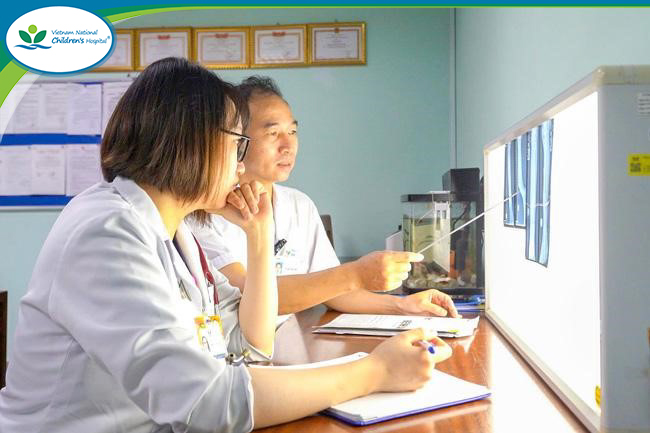
Doctors evaluate the child’s X-ray images before and after surgery
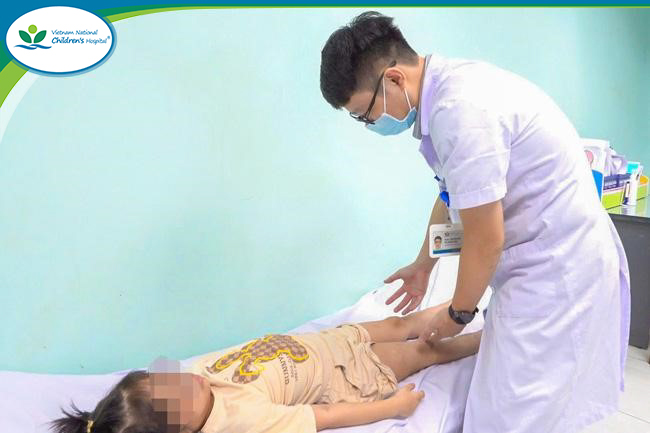
N.L is assessed for recovery at the Rehabilitation Department
By the ninth week after surgery, the child had her cast removed and began walking practice. Currently, N.L is able to walk independently, go to school on her own, and participate in activities with her friends just like any other child.
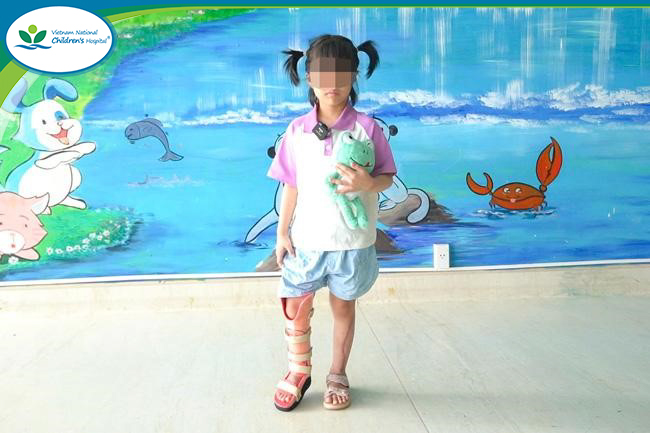
In the hospital corridor, the 7-year-old girl, who once had to wear braces and casts, now walks confidently on her own.
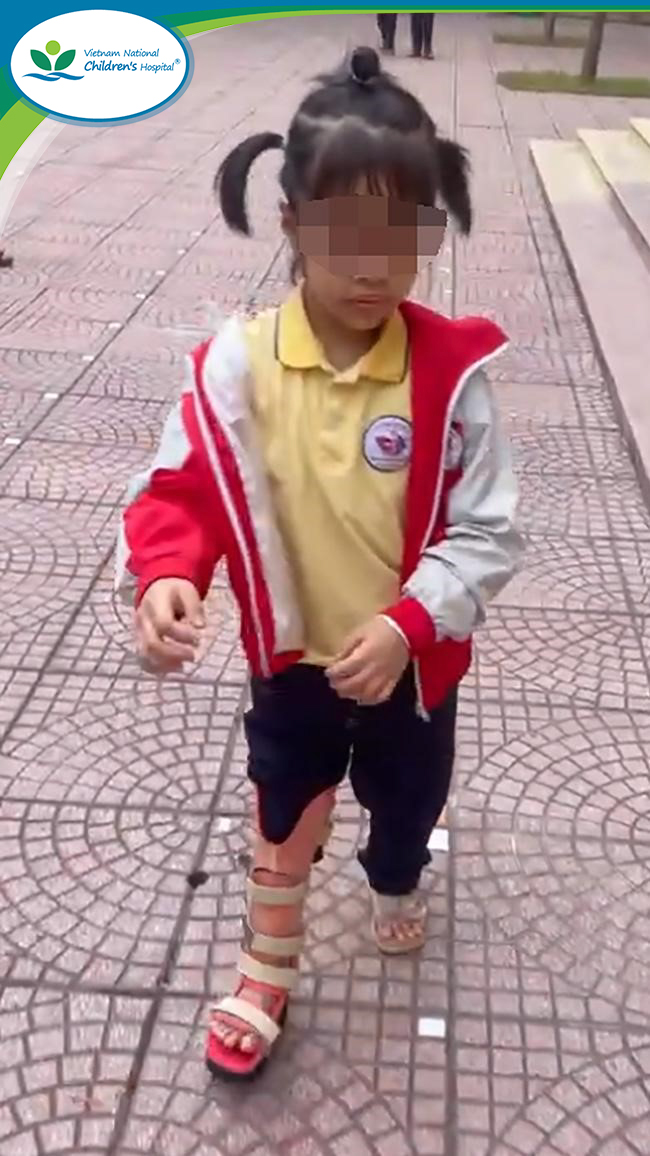
N.L’s first steps to school on her own
“For the past six years, wherever we went, we had to carry her in our arms. We had to escort her to and from school four times a day because she couldn’t walk on her own, and all daily activities were difficult. It has been very challenging, but our family never gave up. Now, seeing her walk and play with her friends on her own feels like a dream,” shared the child’s mother emotionally.
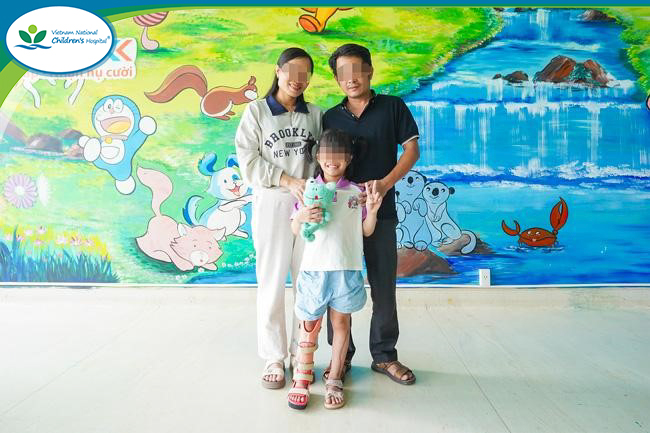
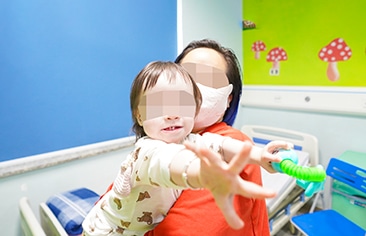
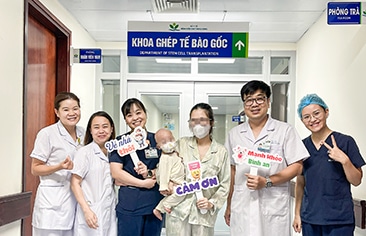
The radiant smiles of the child’s family witnessing her recovery
The successful surgery marks an important milestone for the medical team at the Vietnam National Children’s Hospital in mastering advanced microsurgical techniques used worldwide. N.L’s journey also serves as a tremendous source of encouragement for children with congenital tibial pseudarthrosis, giving them and their families renewed hope to persist in treatment, and to look forward to a future standing firmly on their own feet.